Services for Farmer
About Us: LAC
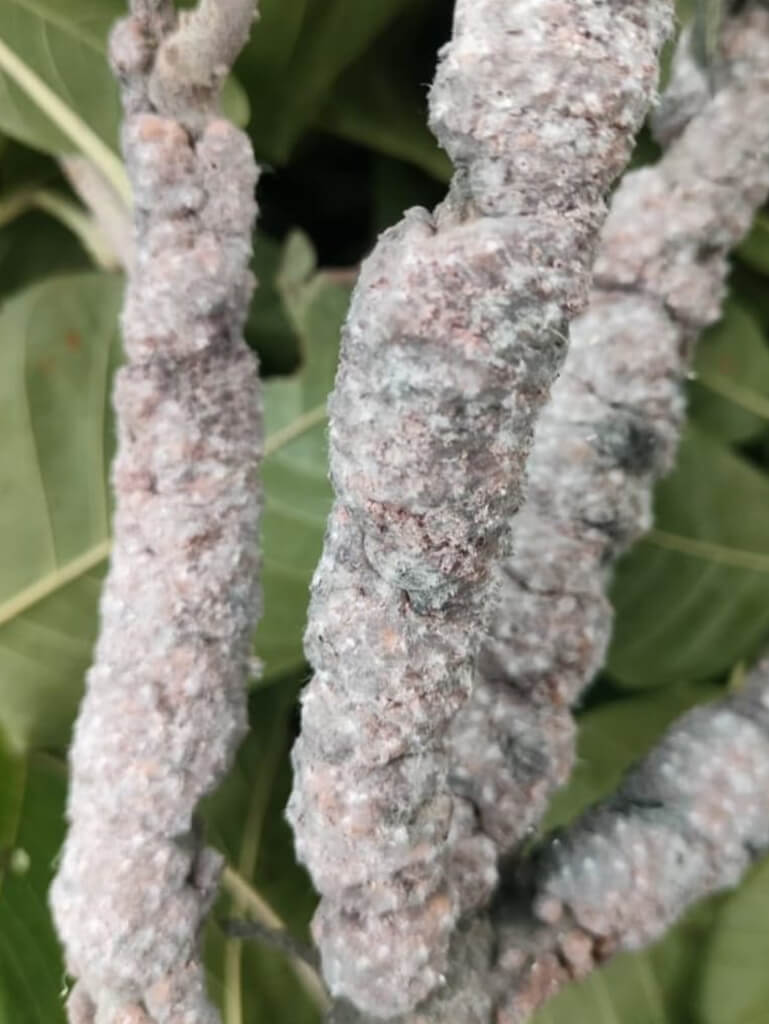
Lac is made by a tiny insect called Kerria lacca, which feeds on the sap of host trees. As the insect feeds, it secretes the resin. There are two main types of lac: kusumi, grown on trees like kusum (Schleichera oleosa) and ber (Ziziphus jujuba), and rangeeni, which grows on palash (Butea monosperma) and ber. Both types are harvested twice a year.
LAC Cultivation
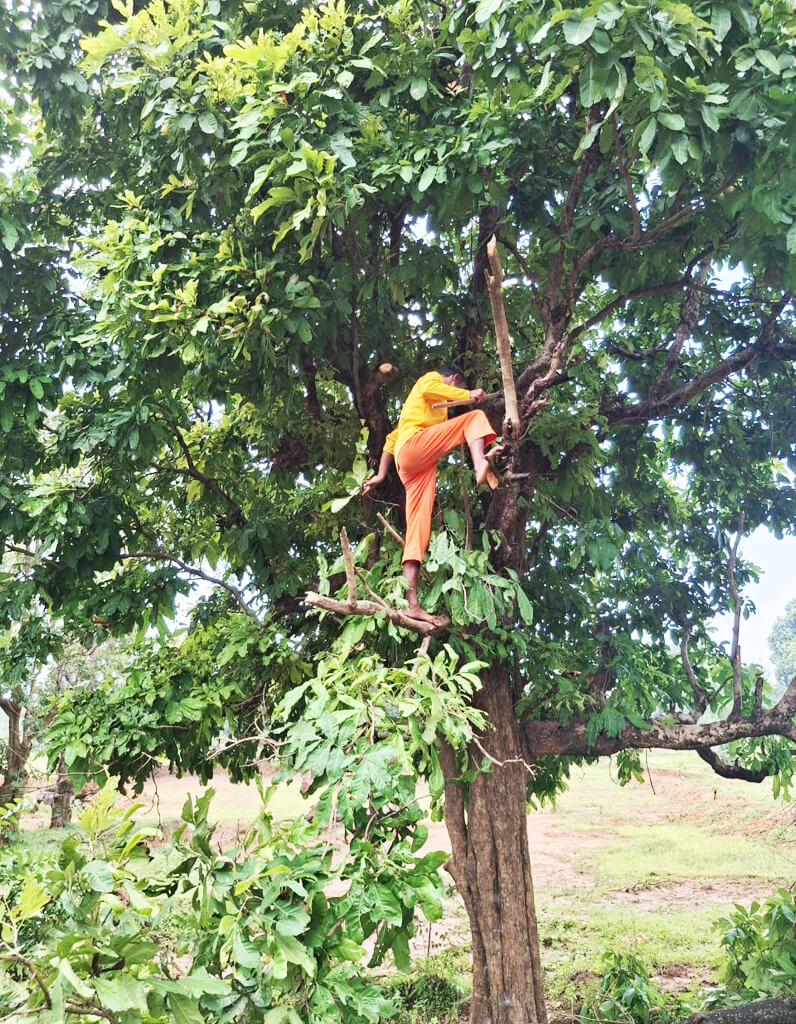
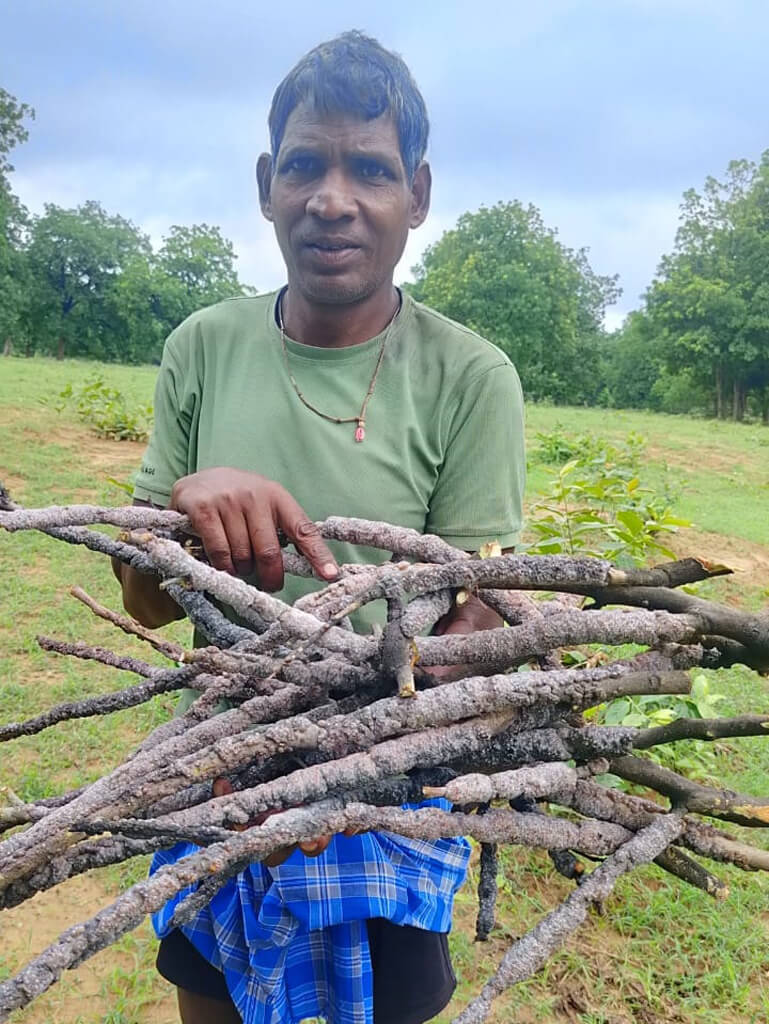
Lac cultivation is a sustainable and eco-friendly practice that involves the rearing of lac insects (Kerria lacca) on host trees to produce natural resin. The process includes several key steps such as pruning of host trees, inoculation of broodlac, pest control management, harvesting, and sale of sticklac after scrapping.
At the core of our initiative is the promotion of scientific lac cultivation through a project-based approach, aimed at increasing productivity and farmer incomes through the following activities :
- Cluster Identification: We identify production clusters with a high density of host trees such as Palash, Ber, and Kusum.
- Farmer Mobilization & Training: Local farmers, especially tribal communities, are mobilized and trained on scientific lac management practices.
- Broodlac Support: We ensure timely and quality supply of broodlac to maximize output.
- Pest Management Assistance: Technical support and inputs are provided for effective pest control during the crop cycle.
- Fair Procurement: Sticklac produced by farmers is procured at a fair and reasonable price, ensuring sustainable livelihoods and market access.
Through this integrated value chain approach, we empower rural communities while enhancing the quality and quantity of lac production.
Lac Procurement & Input Supply Management
To ensure a sustainable and inclusive lac value chain, the organization will implement a community-driven procurement and input distribution system with the following core components:
Broodlac & Sticklac Procurement
- The organization will procure surplus broodlac from farmers and redistribute it to those in need, promoting equitable access to quality inoculation material.
- Similarly, sticklac will be purchased from farmers at fair and transparent prices and supplied to industries and processors, ensuring a reliable market for tribal and rural producers.
Lac Input Availability
- To support scientific cultivation, the organization will facilitate the availability of essential lac inputs such as:
- Micronutrients
- Pesticides & pest control kits
- Sprayers, pruning tools, and protective gear
- These inputs will be distributed through local entrepreneurs, women Self-Help Groups (SHGs), and youth-led micro-enterprises, fostering rural entrepreneurship.
IT-Enabled Supply Chain System
- A robust digital supply chain management system will be developed using AI and IT tools for:
- Real-time inventory tracking
- Demand forecasting
- Farmer-to-industry linkage
- The system will actively involve women SHGs and rural youth for last-mile service delivery and field-level coordination, ensuring transparency, traceability, and local ownership.
Lac-Based Product Manufacturing
The organization will produce a range of lac derivatives through contract manufacturing arrangements or by establishing its own advanced processing unit, depending on scale and capacity. Key products include:
- Seed Lac
- Shellac
- Button Lac
- Aleuritic Acid
Advanced processing technologies will be adopted to ensure consistent quality and high yield, with a focus on minimizing environmental impact and maximizing local employment.
Quality Testing & R&D
- The organization will develop standardized protocols for testing resin content and purity levels in lac products, ensuring adherence to national and international quality norms.
- Technical collaboration with domain experts will be sought to upgrade processing technologies, introduce efficiency, and support product diversification for various industrial applications (pharma, food, cosmetics, etc.).
This integrated approach will boost the competitiveness of India’s lac products in domestic and global markets while strengthening rural and tribal livelihoods through localized value addition.
E-Commerce & Quality Assurance
- All processed lac products will be made available through a user-friendly online platform to facilitate direct B2B sales.
- Each product batch will be accompanied by a quality certificate detailing resin content, purity, and processing standards.
- The platform will also provide real-time inventory visibility, transparent pricing, and delivery tracking.
This digital-first approach ensures transparency, efficiency, and market access for producers while providing verified, high-quality lac products to industries in pharmaceuticals, cosmetics, food processing, and natural resins